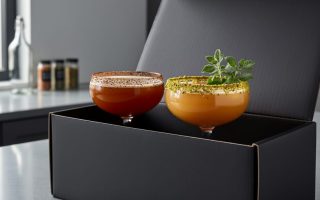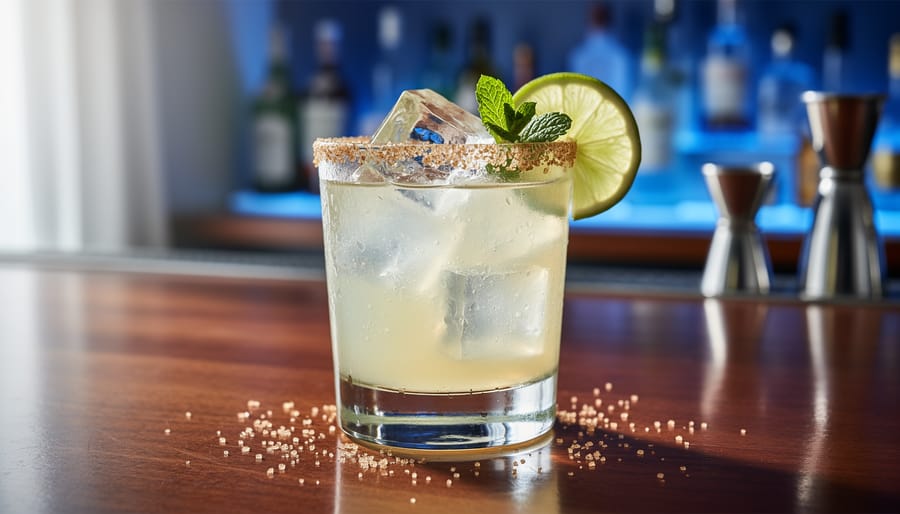
The fastest way to make any cocktail feel finished is to fix the details around the liquid: the right glass, a properly chilled vessel, ice that suits the drink, a garnish that earns its place, a thoughtful rim, and a snack that makes the first sip taste better. None of it requires special gear or a bar cart worthy of a magazine spread. Most of it takes under a minute.
I learned this the hard way at a small dinner party years ago. I’d spent an hour on a beautifully balanced daiquiri, then poured it into a warm, chunky tumbler over a fistful of leftover freezer ice. It tasted watery and flat by the third sip. Same recipe, same limes, completely different drink. Presentation isn’t decoration. It changes temperature, dilution, aroma, and pace, which is what you actually taste.
Below are eight serving suggestions that cover glassware, chilling, ice, garnish, rims, two food pairing approaches, and responsible serving habits. Each one is built to be applied tonight, whether you’re hosting six friends or treating yourself on a Tuesday.
Quick gut check before you read on: what’s the last cocktail you made that felt great in the glass but disappointing in the mouth? Hold onto it. By the end of this list, you’ll probably know why.
How We Chose These Serving Suggestions
I’ll be upfront about how this list came together. These eight ideas come from established bartending practice, the kind of habits bars and seasoned home hosts lean on, not from me mixing drinks in a lab and scoring them. Think of it as a curated shortlist of what reliably works.
To make the cut, each idea had to pass a simple gut check:
- It’s accessible to a home bartender, with no specialty gear or pro training required.
- It noticeably improves flavor or presentation, so guests can taste or see the difference.
- It works across many cocktail styles, not just one signature drink.
- It costs little in money or effort, and you can explain it in a sentence or two.
If a tip needed a paragraph of caveats just to make sense, it didn’t make the list.
The pairing ideas follow a similar spirit. I leaned toward timeless combinations, like something salty with something bright or something rich with something bitter, rather than whatever’s trending this season. Those classics have stuck around because they work, and they’re forgiving enough that you can improvise with whatever’s in your kitchen.
8 Serving Suggestions Worth Adding to Your Bartending Routine
1. Match the Glass to the Drink, Not the Other Way Around
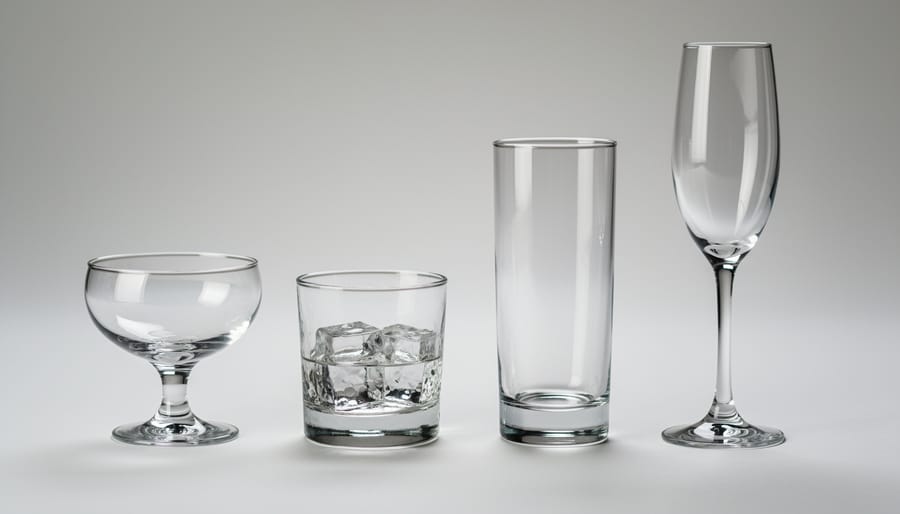
I used to think glassware was a fancy-bar affectation until I poured the same Negroni into two glasses at my kitchen counter: a chunky rocks glass and a delicate coupe. Same gin, same vermouth, same bitter red. The coupe version smelled brighter and felt silkier on the lip, while the rocks version stayed colder and mellowed more slowly as the ice melted. I wasn’t tasting two drinks. I was tasting one drink, shaped by its container.
Here’s what each glass actually does:
– Coupe (a shallow, wide-bowled stem glass): Exposes more surface to the air, so aromas open up fast. With no ice inside, it suits drinks that are already chilled and diluted, like a Daiquiri or a Martini.
– Rocks glass (short and sturdy, also called an old fashioned glass): Holds ice, which keeps the drink cold and slowly softens strong spirits. Think Old Fashioneds and Negronis.
– Highball (tall and narrow): Gives room for ice and plenty of mixer, so bubbles and chill last. Perfect for a Gin and Tonic or a Paloma.
– Flute (tall and slim): Keeps carbonation lively and the drink cold longer, which is why it works for sparkling cocktails.
The rule of thumb is simple. If the drink has ice, reach for a rocks glass or highball. If it’s served without ice, pick a stemmed glass so your hand doesn’t warm it. Match the glass to the drink, and the drink does the rest.
2. Chill Your Glassware for a Colder, Crisper First Sip
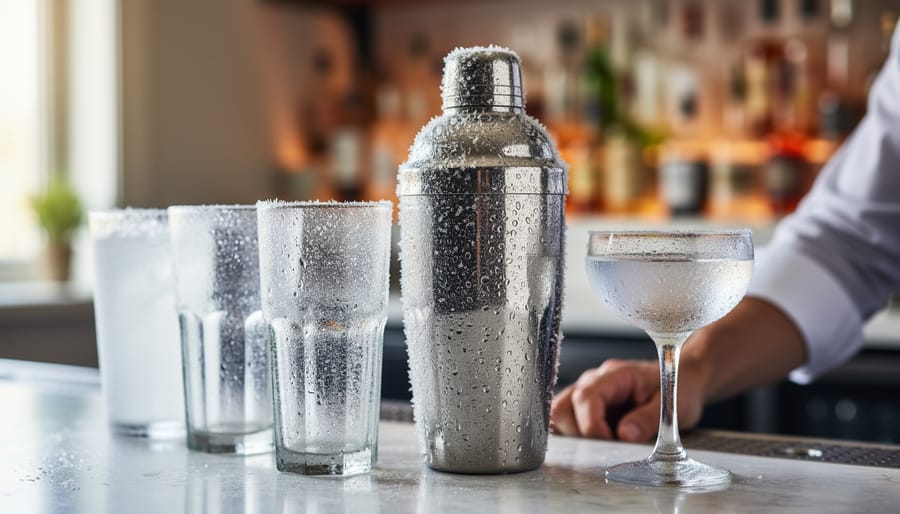
A room-temperature glass quietly steals the chill from your drink. The moment a cold cocktail hits warm glass, the liquid warms up and the ice melts faster, so that crisp first sip you worked for gets dulled. Chilling the glass fixes it, and it costs you nothing but a little planning.
The easiest method is the freezer. Pop your coupes, martini glasses, or flutes in for 15 to 20 minutes before serving, and they’ll come out frosted and ready. Thin, stemmed glassware chills fastest, so it’s the best candidate.
No time? Use the ice-water method. Fill the glass with ice and cold water, let it sit while you build the drink, then dump it right before you pour. Two or three minutes is plenty.
This matters most for drinks served “up,” meaning without ice in the glass. Martinis, Manhattans, daiquiris, and Gimlets all lean on that cold glass to stay at their intended temperature from first sip to last. Drinks poured over fresh ice are more forgiving, but a chilled highball glass still helps.
Short on freezer space? Chill only what you need, and stack glasses on a baking sheet or stand them upside down in a gap between frozen items. You can also leave a few in the fridge for a milder chill, which still beats room temperature.
3. Choose Ice That Fits the Cocktail
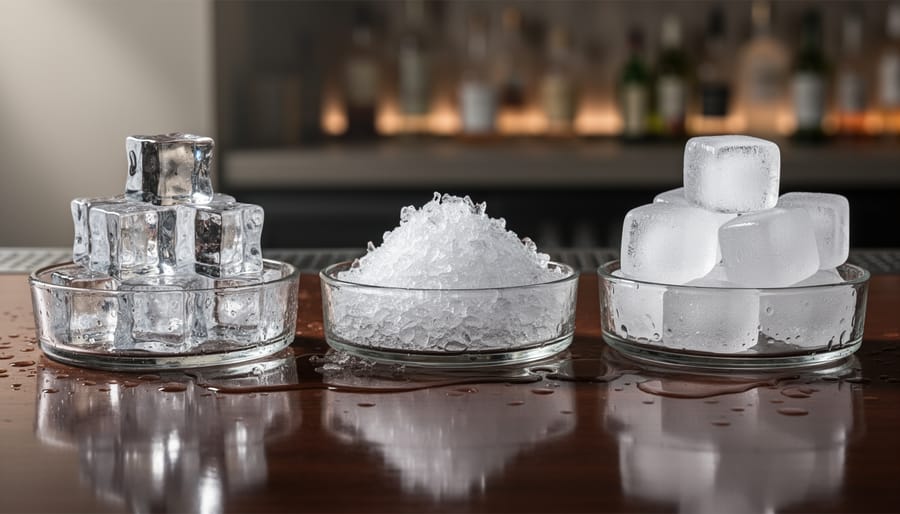
Ice is the quiet ingredient that decides whether your last sip tastes like the first one or like cold, watery regret. The trick is matching the ice to the drink.
Large clear cubes are the star for spirit-forward sippers like an Old Fashioned or a neat pour with a splash. Less surface area means slower melting, so the drink stays cold and bold without turning thin. They also look gorgeous in a rocks glass, like a little window into the drink.
Crushed ice does the opposite on purpose. It chills fast and dilutes quickly, which is exactly what a mint julep or a tiki drink wants. The frosty mound looks great, too, especially topped with a fresh sprig where peel volatiles drive aroma and herbs add their own lift.
Standard cubes are your everyday workhorse for highballs, spritzes, and shaken drinks. They’re fine, but they melt faster, so fill the glass generously. More ice, packed tightly, actually melts slower than a few lonely cubes.
Want better ice at home? Try directional freezing: set a small insulated cooler or a container inside a larger one in the freezer, and the water freezes from the top down, pushing cloudiness to the bottom. Trim off the cloudy part and you’re left with a clear block. Silicone molds for large cubes or spheres are the easier route, and they make a satisfying upgrade for very little effort.
4. Garnish With Purpose: Aroma First, Looks Second
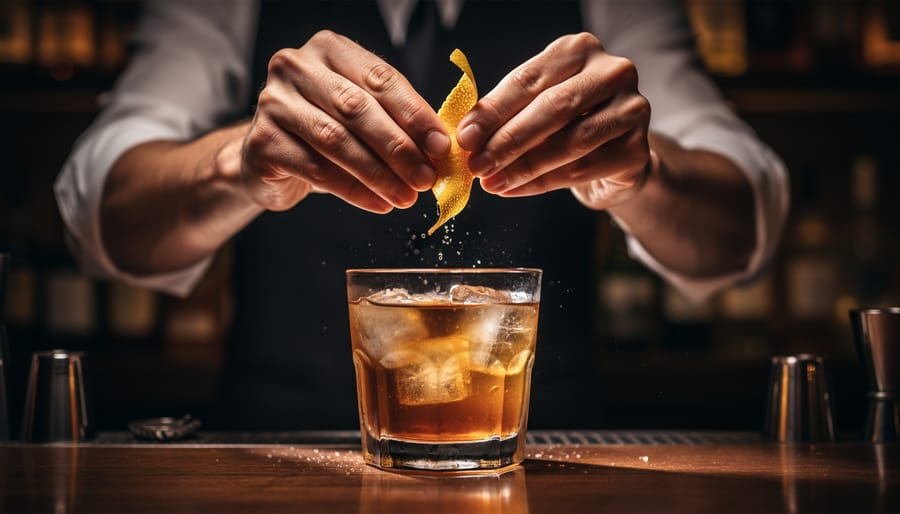
A garnish earns its spot when it changes how the drink smells, because most of what we taste is actually aroma. That’s why a citrus peel beats a limp wedge perched on the rim: the oils in the skin hit your nose before the first sip and shape everything after.
Fresh herbs work the same way. Slap a mint or rosemary sprig against your palm before you tuck it in, and it releases scent that a raw sprig keeps to itself. A quality cherry, like a dark, syrupy one rather than the neon kind, adds real flavor and a slow-sweet finish to a spirit-forward drink.
Here’s a quick challenge. Grab an orange peel and smell it as it is. Now pinch it over an empty glass and smell it again. Notice how much brighter and more perfumed it gets? That difference is exactly what your guests will experience in the glass.
Just as important is knowing what to leave off. Skip a heavy herb on a delicate drink, because rosemary can bulldoze a light, floral gin cocktail. Leave sweet cherries off a bone-dry martini, and don’t pile a citrus wedge onto a creamy or coffee-based drink where the acid will clash. When in doubt, ask whether the garnish adds something the drink is missing. If it only adds color, it can stay in the kitchen.
5. Rim It Right: Salt, Sugar, and Spice Done Well
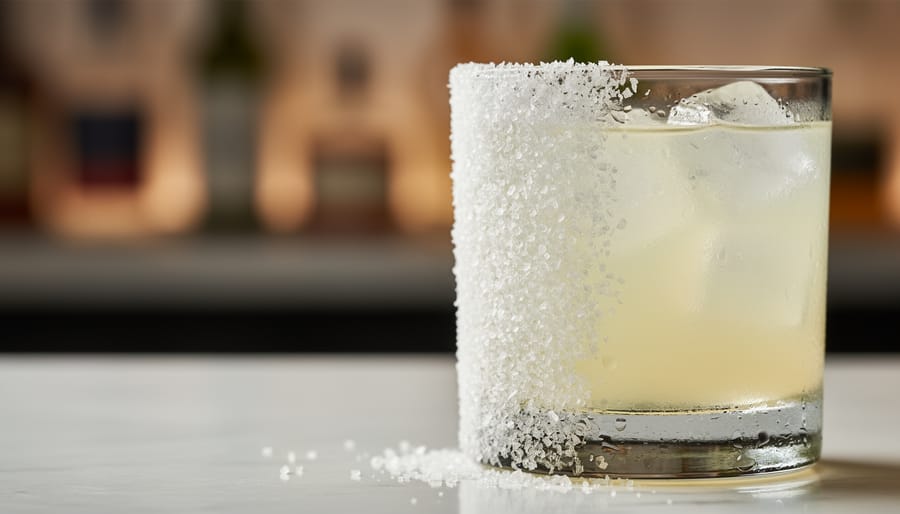
A rim earns its place when it plays against the drink instead of just decorating the glass. Margaritas and palomas are the classic cases: salt softens citrus bitterness and makes the fruit taste brighter. Spicy sours work the same way, where a pinch of chili salt picks up the heat already in the glass. Skip the rim on spirit-forward drinks like a Manhattan, where it only gets in the way.
Here’s the neat way to do it. Run a lime wedge along the outer edge of the glass, only the outside, so nothing drips into the drink. Spread your salt on a small plate, then roll just half the rim through it at an angle. Leaving the other half bare lets guests choose a salty sip or a clean one, which is a small courtesy that always gets noticed.
Once you’ve got the technique, play with the flavor. Mix flaky salt with chili powder and lime zest for a chili-lime rim that suits mezcal drinks beautifully. For something sweeter, blend sugar with a little cinnamon and use it on a spiced rum cocktail or a cider-based sipper.
Try half-rimming your next round and watch which side people reach for.
6. Pair Bright, Citrusy Cocktails With Salty and Fried Bites
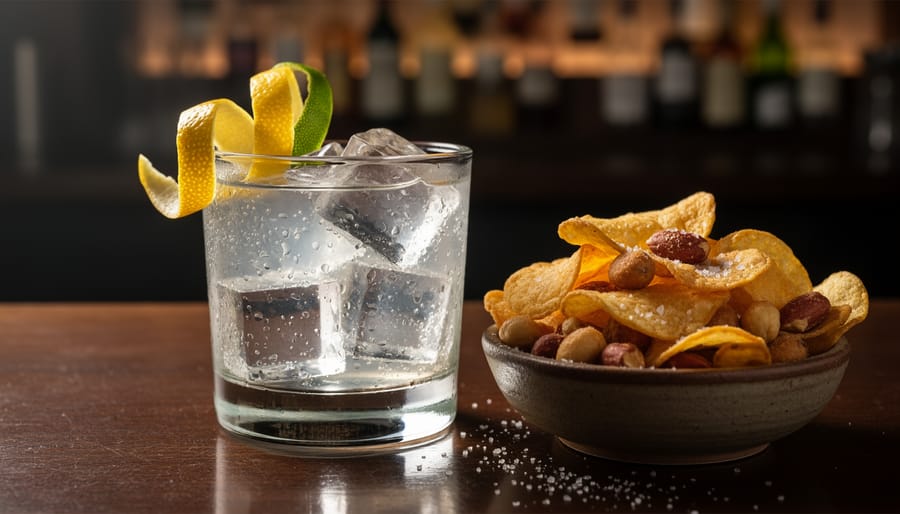
A few summers back, I hosted a small patio dinner and served margaritas with nothing but a bowl of plain tortilla chips. The drinks were fine, but the whole table kept reaching for the salted nuts someone had tossed in a corner. That’s when it clicked: bright, citrusy cocktails want salt.
The idea is simple contrast. Acid and sweetness feel sharper on their own, but salt and fat soften the edges and make the next sip taste fresher. Think of squeezing lemon over fried fish. Same logic, only now it’s in your glass.
Here are pairings that work almost every time:
– Sours and daiquiris: Fried calamari, shrimp tempura, or crispy chicken wings.
– Margaritas and palomas: Fresh guacamole with warm chips, fish tacos, or ceviche.
– Spritzes: Salted almonds, marinated olives, or a plate of prosciutto and melon.
– Gin and tonic-style highballs: Oysters, smoked salmon, or kettle chips.
If you’re serving lighter drinks for guests who want something less boozy, try a spritz built on one of the many sparkling water flavors now on shelves. The same salty snacks work beautifully, and the fizz keeps things refreshing between bites.
Next time you build a snack table, set out something salty and something crunchy before worrying about anything fancy. Your citrusy drinks will taste better for it.
7. Pair Spirit-Forward Sippers With Rich, Savory Flavors

Spirit-forward drinks like the Manhattan, Old Fashioned, and Negroni are built on bitterness, booze, and a little sweetness, which is exactly why they love rich, savory food. Fat and salt soften the bitter edges, while the drink cuts through the heaviness so every bite tastes fresh again. If you’re hunting for specialty cocktail recipes to build a menu around, start with these classics and pair them like so:
- Manhattan with aged cheddar or Gouda, because the cheese’s nutty richness echoes the whiskey and sweet vermouth.
- Old Fashioned with grilled steak or smoked sausage, since the char and fat meet the drink’s caramel and orange oil.
- Negroni with salty cured meats like prosciutto or salami, as the saltiness tames the bitterness.
- Any of the three with dark chocolate, where cocoa bitterness and boozy depth play off each other.
Hosting a crowd and don’t want to plan around each glass? Build one simple board that works for nearly everyone. Lay out a couple of cured meats, a sharp aged cheese, a creamy cheese for balance, a handful of salted nuts, a few squares of dark chocolate, and something crisp like crackers or sliced baguette. Add a small bowl of olives or cornichons for a briny pop.
Guests can mix and match as they sip, and you’ll notice people drifting back to whichever bite makes their drink taste best. That little bit of discovery is half the fun.
8. Serve Smaller, Staggered, and With Water on the Side
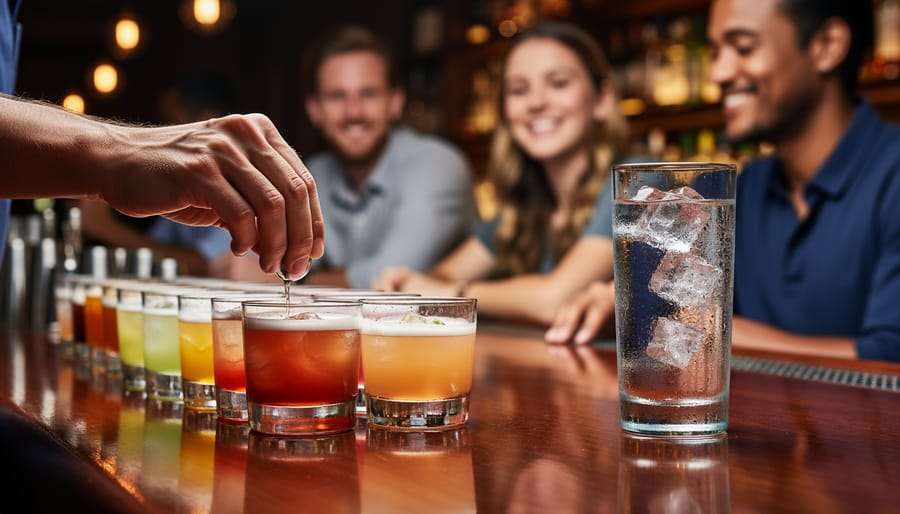
Here’s the habit that quietly separates a relaxed party from a rough morning after: pour a little less, and pace it a little more. A good host isn’t policing anyone’s evening, they’re making sure everyone feels great from the first toast to the last goodbye.
Start by serving smaller pours. A cocktail made with a standard measure but served in a slightly smaller glass feels generous and finishes while it’s still cold. It also lets guests sample a couple of drinks instead of committing to one big one. If you’re prepping for a crowd, batch-friendly drinks and the idea behind cocktails that travel well can help you keep portions consistent without hovering over the shaker all night.
Next, set up a water station where guests can see it. A pitcher with cucumber slices or citrus wheels looks like part of the décor, and nobody feels singled out for grabbing a glass. Pair it with real food, not just chips, and bring snacks out in waves so there’s always something to nibble between rounds.
Finally, stagger the drinks. Offer a lighter spritz first, move to something richer later, and let the pace follow the conversation. Your guests will remember the good company, not how fast the glasses emptied.
Serving Suggestions FAQ: Quick Answers for Hosts
Hosting questions tend to pop up right when the first guest arrives, so here are the ones I hear most, answered quickly.
How far ahead can I prep garnishes?
Cut citrus wheels and peels a few hours ahead and keep them in a covered container in the fridge, with a damp paper towel to stop them drying out. Save delicate herbs like mint for the last minute, then slap them lightly against your palm to wake up the aroma before they go in the glass.
Does glassware really matter at a casual gathering?
It matters less than temperature and ice, but it still helps. If you only have room for one upgrade, chill whatever glasses you own, because a cold glass keeps a drink crisp far longer than a fancy shape ever will.
What’s the easiest way to serve cocktails to a crowd?
Batch a spirit-forward drink ahead of time, keep it chilled, and pour over fresh ice as guests arrive. Serving smaller pours and keeping a water station nearby also keeps the party relaxed and everyone comfortable.
What should I offer guests who aren’t drinking?
Treat them like any other guest: give them a proper glass, good ice, and a real garnish. Sparkling water with a fresh citrus peel or a sprig of rosemary feels like a drink, not an afterthought.
If you’re curious how other hosts are making entertaining easier, it’s worth a look at these hosting-friendly trends for fresh ideas. And remember, none of this needs to be perfect. Pick the answer that fits your gathering, try it once, and adjust next time. Which of these questions has tripped you up before? Think about it before your next get-together, and you’ll likely walk in feeling more prepared than you expected.
Final Takeaway: Small Touches, Big Difference
Here’s the thing about a great cocktail: the recipe gets you most of the way there, but the serving is what people remember. A cold glass, the right ice, a garnish that actually smells like something, and a bite of food that plays off the drink can make a simple pour feel like an occasion.
So pick one suggestion from this list and try it this week. Maybe it’s chilling your glasses, or maybe it’s offering a sparkling coconut water alongside the cocktails for guests who want a lighter option. Then tell us how it went. What’s your favorite pairing?