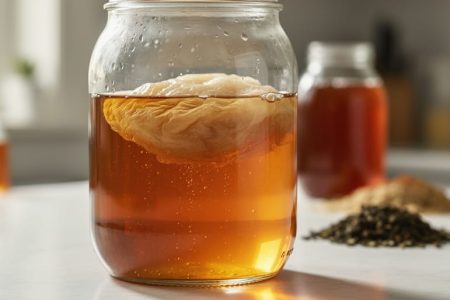
Macro close-up of a kombucha SCOBY pellicle floating on amber sweet tea in a glass jar, with warm blurred background elements.

What Is the Origin of Kombucha (and Why Is It So Hard to Trace)?

Kombucha is a fermented tea beverage made by culturing sweetened tea with a symbiotic culture of bacteria and yeast, often called a SCOBY. While you’ve probably seen it dominating cooler shelves everywhere and maybe even experimented with it in your cocktails, the true origin story of this fizzy, tangy drink remains surprisingly elusive. The real origin of kombucha could be as old as 5,000 years or as young as 200, and pinpointing where and when it first appeared is far from straightforward.
Most evidence points to kombucha likely originating in China before spreading along the Silk Road with tea traders, though some accounts …
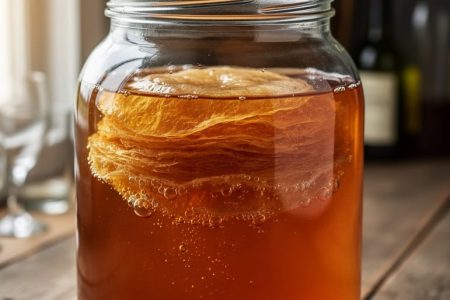
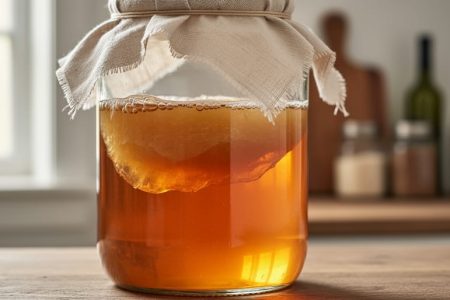
Glass kombucha jar with an amber tea surface and a floating SCOBY, covered with breathable cloth on a kitchen countertop.

How to Make Kombucha Tea at Home: A Simple 7-Step Fermentation Guide

Making kombucha at home is simpler than most people think: steep tea, dissolve sugar, cool the mixture, add a SCOBY and starter tea to a clean jar, cover with breathable cloth, and let it ferment on your counter. The entire hands-on process takes about 30 minutes, then patience does the rest of the work over the next week or two.
I’ll admit, the first time I heard about brewing kombucha at home, I pictured some elaborate chemistry lab setup with expensive equipment and strict protocols. The reality? It’s closer to making a batch of iced tea than distilling whiskey. You need five basic ingredients, a couple of kitchen …

Close-up of a clear glass jar of amber kombucha showing a floating SCOBY and small bubbles from fermentation.

Yes, Kombucha Is Fermented—Here’s How the Process Actually Works

Yes, kombucha is fermented. It’s a living tea transformed by bacteria and yeast working together over weeks or months, converting sweet tea into the tangy, effervescent drink you find in grocery stores and craft breweries across Canada today.
The fermentation happens when a SCOBY (symbiotic culture of bacteria and yeast) feeds on sugar in brewed tea, producing organic acids, carbon dioxide, and trace amounts of alcohol. This biological process is what gives kombucha its signature tartness and natural fizz. While many commercial producers rush through fermentation in one to two weeks, some brewers take a different approach. LAO…

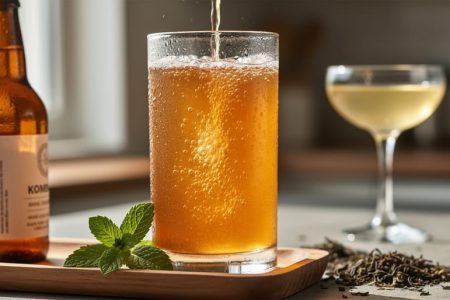
Close-up of amber kombucha in a clear glass with visible carbonation and condensation, with a bottle and fresh mint in the background.

Yes, Kombucha Is Caffeinated—Here’s How Much and Why It Matters

Yes, kombucha contains caffeine, but typically in modest amounts that range lower than your morning cup of coffee or even most teas. The caffeine comes directly from the tea base used during fermentation. Black tea kombucha carries the most (usually somewhere in the ballpark of what you’d find in green tea), while green tea and white tea varieties deliver progressively less. Most commercial bottles clock in at roughly one-quarter to one-third the caffeine of an equivalent serving of coffee, though the exact amount depends …

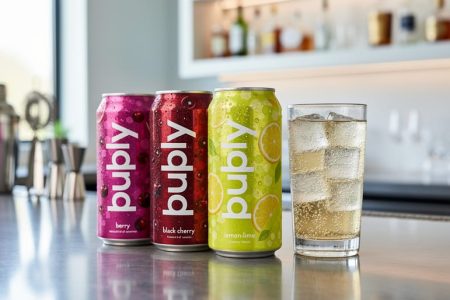
Chilled bubly POP cans and a clear highball glass with sparkling bubbles on a modern bar counter.

Bubly POP Just Changed Canada’s Soda Game (Here’s What Mixologists Need to Know)

bubly POP landed in Canada this April, and it’s already shaking up the cocktail mixer scene with something we’ve been missing: a sparkling soda that actually tastes like fruit without drowning your palate in sugar. Available exclusively north of the border in berry, black cherry, and lemon lime, this newest addition to PepsiCo Canada’s bubly family bridges the gap between flat mixers and overly sweet sodas, giving bartenders and home cocktail enthusiasts a cleaner canvas for …

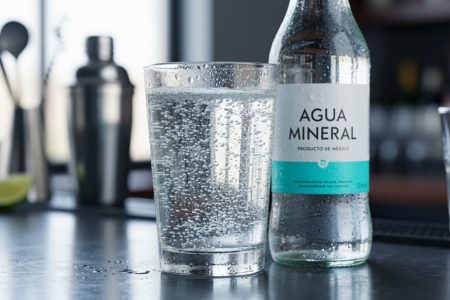
Chilled Mexican sparkling water bottle and a highball glass with visible bubbles on a dark bar countertop.

Why Mexican Sparkling Water Belongs in Every Cocktail You’re Making

Mexican sparkling water, particularly from brands rooted in Monterrey, has become the secret weapon behind some of the best cocktails you’re making right now. If you’ve ordered a crisp Paloma or a refreshing Ranch Water at a bar recently and wondered why it tasted so much better than your home version, the answer is probably in the bubbles. These mineral waters bring an aggressive carbonation and subtle mineral profile that transforms highballs from acceptable to unforgettable.
Topo Chico has led this charge since 1895, bottled at the source in Monterrey and building a cult following that eventually caught fire in …

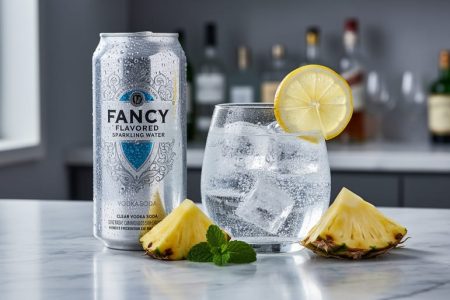
Chilled fancy sparkling water can and a vodka soda mocktail in a clear glass on a marble bar with fruit slices and condensation.

Fancy Sparkling Water Is Changing the Mocktail Game (And Your Bar Needs It)

I’ll be honest: when I first heard about Market Brewing Co.’s Fancy Sparkling Water, I assumed it was just another overpriced seltzer trying to justify a premium label. Then I mixed a pineapple-flavored can into a vodka soda at my home bar, and I immediately understood the difference. These sugar-free, carb-free sparkling waters deliver the kind of bright, genuine fruit flavor that regular club soda can’t touch, and they’re potent enough to actually hold up against spirits without disappearing into the background.
What sets premium sparkling waters like Fancy apart from the grocery store basics comes down to …

Close-up of grapefruit-flavored bubble sparkling water in a tall glass with visible carbonation, grapefruit slices, mint leaves, and a chilled mini can on a bar counter.

Bubble Sparkling Water: The Playful New Wave in Carbonated Refreshment and Cocktails

Bubble sparkling water refers to the category of lightly carbonated, fruit-flavored waters that have surged in popularity as both standalone refreshments and versatile cocktail mixers. Unlike traditional club soda or seltzer, these products deliver subtle fruit essences without added sugars or artificial sweeteners, making them ideal for bartenders who want to add fizz and a hint of flavor without overwhelming a cocktail’s balance. The name “bubble” has become synonymous with brands like bubly, which offers an extensive range of flavors now widely available in Canada, including varieties packaged in convenient 12 x 355 ml…

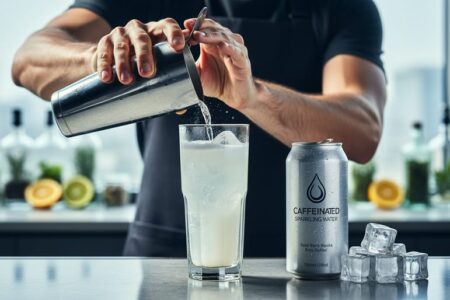
Bartender shaking a cocktail tin above a chilled highball glass with caffeinated sparkling water on the bar.

Why Bartenders Are Shaking Caffeinated Sparkling Water Into Your Next Cocktail

Caffeinated sparkling water has emerged as one of the most versatile mixers in modern cocktail craft, bringing effervescence, zero calories, and a subtle energy boost to drinks without the sweetness overload of traditional sodas or energy drinks. The trick is choosing the right product and understanding how caffeine interacts with spirits, citrus, and botanicals to create balanced, refreshing cocktails that won’t leave you buzzing uncomfortably or mask the nuances of premium ingredients.
I stumbled into this trend last spring while experimenting with a highball variation. I’d run out of tonic and grabbed a can of …

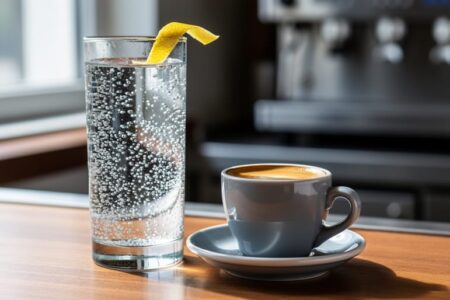
Close-up of a small espresso cup with crema beside a tall glass of sparkling water with visible bubbles in a Canadian café.

Espresso and Sparkling Water in Canada: Cafés Leading the Trend (Plus What It Means for Your Teeth)

The espresso and sparkling water pairing sweeping Canadian cafés in 2026 serves two purposes: the bubbly water cleanses your palate between sips, letting you taste each layer of the espresso, and contrary to popular worry, plain sparkling water won’t destroy your enamel the way acidic sodas can. This dual-purpose trend has evolved from the traditional Italian palate cleanser into creative café menu items like espresso tonics, citrus-spiked sparklers, and even the playfully renamed “Canadiano” that swaps …