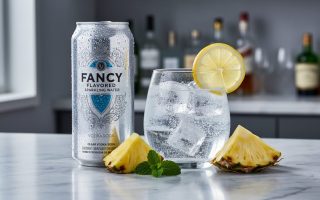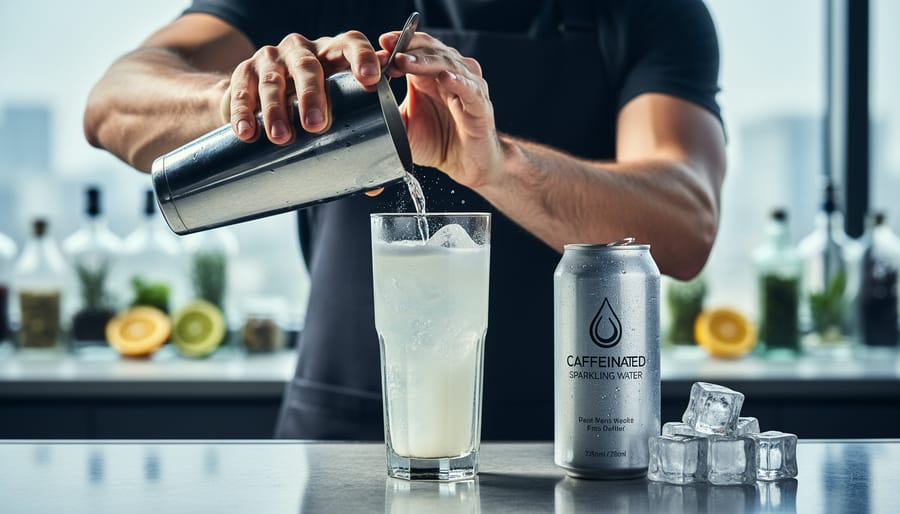
Caffeinated sparkling water has emerged as one of the most versatile mixers in modern cocktail craft, bringing effervescence, zero calories, and a subtle energy boost to drinks without the sweetness overload of traditional sodas or energy drinks. The trick is choosing the right product and understanding how caffeine interacts with spirits, citrus, and botanicals to create balanced, refreshing cocktails that won’t leave you buzzing uncomfortably or mask the nuances of premium ingredients.
I stumbled into this trend last spring while experimenting with a highball variation. I’d run out of tonic and grabbed a can of caffeinated sparkling water from my fridge, the kind infused with guarana. The result surprised me. Clean, bright, with just enough lift to complement the gin without fighting it. Since then, I’ve watched this category explode. The market is valued at $241.6 million in 2026 and projected to hit $433.2 million by 2033, growing at nearly 9% annually. North America leads adoption with a 42% market share, and brands like Hi-Ball Energy Sparkling Water (organic, with caffeine from guarana and ginseng extract) and Ocean Spray Wave (featuring real fruit juice, available exclusively at Walmart) are carving out devoted followings among bartenders and home mixologists alike.
What makes caffeinated sparkling water particularly compelling for cocktails is its restraint. Unlike energy drinks that announce themselves with artificial sweetness, these products let other ingredients shine while adding texture and a gentle stimulant edge that can extend the life of a cocktail party without relying solely on alcohol for momentum.
The Caffeinated Sparkling Water Revolution: From Gym Bag to Bar Cart
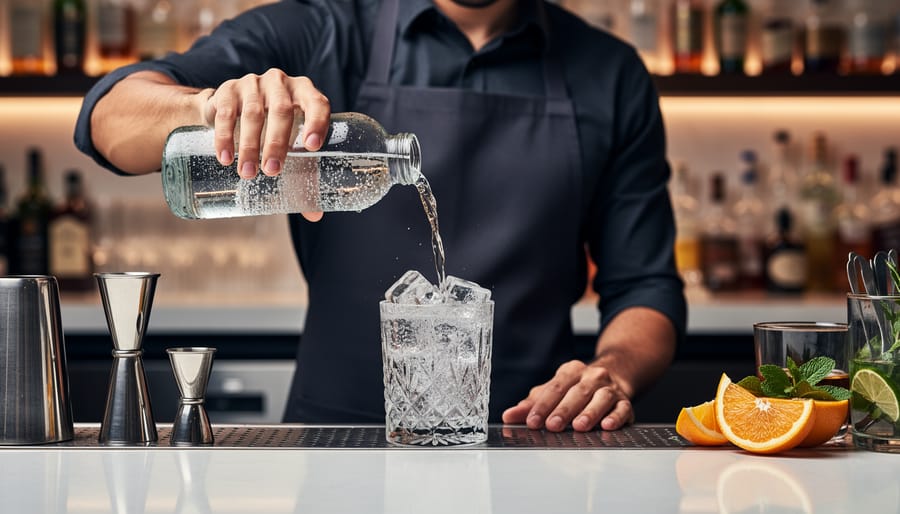
Five years ago, you’d have been hard-pressed to find caffeinated sparkling water anywhere but the cooler at CrossFit or tucked into a runner’s hydration pack. Fast forward to today, and I’m watching bartenders stock their wells with the same cans that used to fuel pre-dawn workouts. It’s a shift that caught even me off guard during a recent visit to a cocktail bar in Portland, where the bartender reached for a Hi-Ball Energy instead of tonic when building my gin and cucumber drink. One sip, and I understood why.
The numbers tell the story of a beverage category that’s outgrown its athleisure origins. The caffeinated sparkling water market hit US$ 241.6 million in 2026 and is climbing toward US$ 433.2 million by 2033, according to market forecast values. North America controls 42% of that market, which means these products are increasingly accessible in everyday retail environments, not just specialty fitness stores.
What changed? The ingredient evolution deserves most of the credit. Early versions tasted medicinal, with aggressive sweeteners and artificial flavors that made them useful for endurance but terrible for pleasure. Modern iterations like Hi-Ball’s organic caffeine from guarana and ginseng extract, or Ocean Spray Wave’s real fruit juice formulation, blur the line between functional beverage and premium mixer. They’re clean, they’re flavorful, and they bring something neither soda water nor energy drinks can deliver: natural caffeine with sophisticated carbonation and actual taste depth.
For cocktail enthusiasts, this matters because we’ve always borrowed from adjacent beverage categories. Coffee crossed over decades ago. Kombucha made the leap a few years back. Caffeinated sparkling water is simply the latest functional drink to prove it can handle the complexity of spirits, the acid balance of citrus, and the nuance of bitters. The brands are easier to find now too, with products like Ocean Spray Wave launching exclusively at Walmart, putting serious options within reach of any home bar builder.
The revolution isn’t about replacing traditional mixers wholesale. It’s about having another arrow in your quiver when the moment calls for energy, effervescence, and something a little unexpected.
What Makes Caffeinated Sparkling Water Different (And Why It Works in Cocktails)
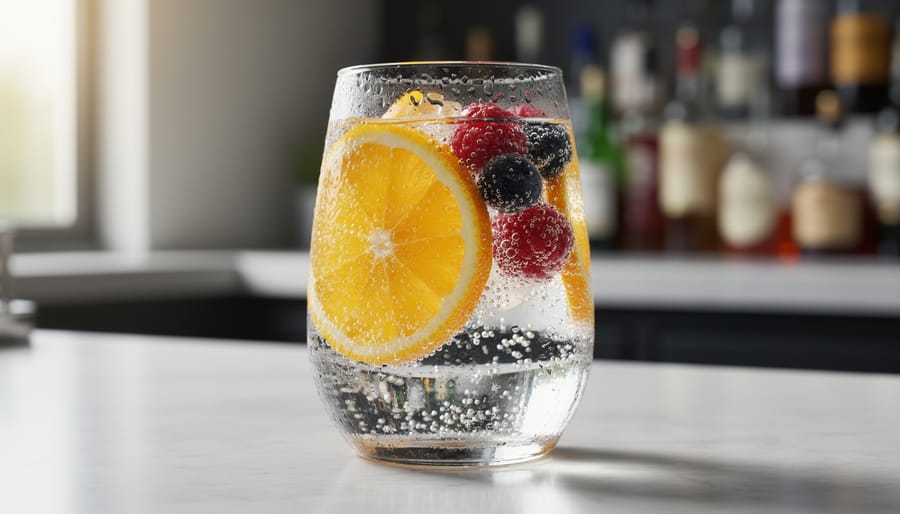
Caffeinated sparkling water sits at a fascinating intersection. It delivers the crisp, effervescent lift you’d expect from any quality sparkling water, but adds a caffeine kick that transforms how it functions in a cocktail. Understanding what sets it apart helps you deploy it strategically behind the bar.
First, carbonation. Like the club soda vs sparkling water debate, texture matters enormously. Caffeinated sparkling water brings vigorous bubbles that lengthen drinks and add palate-cleansing brightness without the mineral salts that give club soda its signature tang. That clean effervescence lets spirits shine while providing structure.
The caffeine itself typically comes from natural sources rather than synthetic additions. Hi-Ball Energy Sparkling Water, for instance, uses organic caffeine from guarana and ginseng extract, which delivers stimulation with subtle botanical complexity you won’t find in a standard energy drink. These natural extracts can introduce faint earthy or slightly bitter notes that play beautifully with aged spirits and herbal liqueurs.
Flavor profiles vary widely. Some brands keep it minimalist with just carbonation and caffeine. Others, like Ocean Spray Wave with its real fruit juice, bring forward fruit character that can anchor or accent a cocktail without requiring you to muddle or juice fresh ingredients. That built-in flavor saves time while maintaining quality.
Clean ingredient lists matter to today’s cocktail enthusiasts. Most caffeinated sparkling waters skip artificial sweeteners, excessive sugars, and chemical stabilizers. You’re working with carbonated water, natural caffeine, and sometimes fruit essence or juice. That simplicity means fewer conflicting flavors to navigate when balancing a drink.
The real advantage? You’re adding dimension without heaviness. No syrup viscosity, no cream dilution, no tonic’s quinine bitterness unless you want it. Just bright, lifted, caffeinated refreshment that wakes up both the drinker and the drink itself.
Cocktail Applications: When to Reach for Caffeinated Sparkling Water
Morning and Brunch Cocktails with a Kick
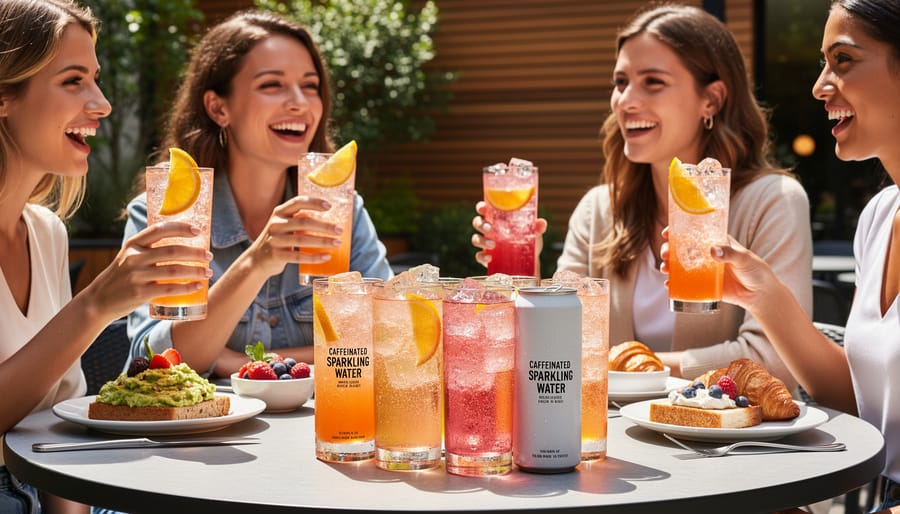
Brunch cocktails traditionally face a choice: reach for champagne’s light sparkle or espresso martinis’ intense jolt. Caffeinated sparkling water splits that difference beautifully, delivering energy without weighing down your morning. Instead of masking alcohol with heavy cream or syrup, these effervescent bases keep drinks bright and sessionable.
The classic brunch spritz gets smarter when you swap prosecco toppers for caffeinated sparkling water. Build your favorite Aperol or elderflower base, add a quality vodka or gin, then lengthen with a citrus-forward caffeinated sparkling water. You’ll maintain the refreshing fizz while adding a gentle caffeine lift that complements rather than competes with the botanicals. This approach works equally well for alcohol-free versions; try the same technique with a mojito mocktail base, substituting caffeinated sparkling water for regular soda to transform it into a morning-appropriate energizer.
The real advantage shows up around noon, when guests want a second drink but not the drowsiness. Hi-Ball Energy Sparkling Water, with its organic caffeine from guarana and ginseng extract, pairs particularly well with fresh-squeezed grapefruit and a clean white rum, creating a paloma-style serve that keeps the conversation flowing through brunch’s final course.
The 3 PM Slump Solution: Afternoon Cocktail Innovations
That drowsy mid-afternoon stretch, when focus starts to drift and energy flags, doesn’t have to mean reaching for another coffee. Caffeinated sparkling water opens up an entirely different category of afternoon refreshment, one that pairs a caffeine lift with the ritual and sophistication of a proper cocktail. These aren’t sluggish, syrupy pick-me-ups; they’re bright, effervescent serves that reset your palate and your energy at the same time.
I’ve found the most success with citrus-forward spirits during this window. A gin and tonic riff, built with grapefruit-flavored caffeinated sparkling water and a handful of fresh herbs, delivers both aromatics and alertness without the weight that makes you want a nap afterward. Vodka works beautifully too, especially when you’re highlighting a fruit juice-enhanced option like Ocean Spray Wave, which brings its own natural sweetness and complexity.
For something with more depth, try deconstructing a Negroni classic by lengthening it with caffeinated sparkling water instead of serving it straight. The dilution softens the bitterness just enough for afternoon sipping, while the carbonation lifts the botanicals and the caffeine keeps you sharp. It’s the kind of drink that turns a regular Wednesday work-from-home afternoon into something worth looking forward to, without derailing the rest of your day.
Five Signature Serves: Recipes That Showcase Caffeinated Sparkling Water
I’ll never forget the night I first shook caffeinated sparkling water into a gin cocktail at a friend’s rooftop party. Everyone expected another tired spritz, but that first sip, bright, effervescent, with an unexpected lift, changed the conversation entirely. Since then, I’ve developed a small collection of recipes that showcase what this ingredient can actually do. These aren’t gimmicks; they’re drinks I return to because they work.
The Morning Glory Mule
This one came together during a particularly ambitious Sunday brunch where mimosas felt too predictable and coffee too intense. In a copper mug filled with ice, combine 2 oz vodka, ¾ oz fresh lime juice, and ½ oz ginger syrup. Top with 4 oz caffeinated sparkling water (I prefer grapefruit or lime flavors here) and garnish with candied ginger and a lime wheel. The carbonation amplifies the ginger’s bite while the caffeine provides a gentle morning lift without the heaviness of espresso. Serve this in traditional copper mugs to keep it properly cold, and watch your guests perk up without that jittery edge.
Aperol Awakening
I developed this after tasting Hi-Ball Energy Sparkling Water with its organic guarana and ginseng extract, which brought an herbal complexity I wanted to highlight. Build directly in a wine glass over ice: 2 oz Aperol, 1 oz fresh grapefruit juice, and 3 oz caffeinated sparkling water. The key is choosing a sparkling water with subtle flavor rather than something aggressively fruity, letting the Aperol’s bittersweet orange shine. Garnish with a grapefruit twist. It’s become my go-to pre-dinner drink when I want something sessionable that won’t leave me sleepy before the meal arrives.
Bourbon Lift Highball
Sometimes the simplest serves are the most satisfying. This three-ingredient wonder proves you don’t need complexity when you have quality components. Pour 2 oz bourbon over a large ice cube in a highball glass, add ¼ oz honey syrup, and top with 4 oz caffeinated sparkling water. Lemon or unflavored varieties work beautifully here, letting the bourbon’s caramel notes interact with the gentle sweetness while carbonation lengthens the finish. I’ve served this at casual gatherings where people want something elevated but approachable, and it consistently disappears faster than anything else on the menu.
Tropical Thunder
Ocean Spray Wave’s real fruit juice inspired this one during a particularly gray March afternoon when I desperately needed transported somewhere warmer. Shake 1½ oz white rum, 1 oz pineapple juice, ½ oz lime juice, and ¼ oz orgeat with ice until properly chilled. Strain into a Collins glass filled with fresh ice and top with 3 oz cranberry or tropical-flavored caffeinated sparkling water. The fruit juice in products like Wave adds genuine flavor depth without cloying sweetness. Garnish with pineapple leaves and a lime wheel. It’s become my signature afternoon serve when friends drop by unexpectedly.
The Sparkling Negroni Sbagliato (Caffeinated Edition)
This riff on the sbagliato tradition replaces prosecco with caffeinated sparkling water for a lighter, more refreshing take. In a mixing glass, stir 1 oz Campari and 1 oz sweet vermouth with ice. Strain into a rocks glass over fresh ice and top with 2 oz caffeinated sparkling water, preferably an unflavored or subtly citrus variety. The reduced alcohol makes this dangerously easy to drink during long conversations, while the caffeine keeps the palate alert to the drink’s bitter complexity. Express an orange peel over the glass and drop it in. I discovered this variation by accident when I ran out of prosecco, and now I prefer it to the original.
Each of these recipes treats caffeinated sparkling water as a genuine ingredient rather than an afterthought, letting its unique characteristics shape the final drink. Start with these frameworks, then adjust ratios and flavors to suit your taste and whatever’s in your fridge.
Pairing and Flavor Considerations
The magic of caffeinated sparkling water lies in its ability to play multiple roles, it adds effervescence, delivers caffeine’s bright edge, and in many cases, brings its own flavor profile. Understanding how these elements interact with spirits transforms a simple pour into a thoughtfully constructed cocktail.
White spirits offer the cleanest canvas. Vodka’s neutrality allows fruit-enhanced options like Ocean Spray Wave to shine through without competition, while the caffeine provides a backbone that prevents the drink from tasting too sweet. Gin presents more complexity: the herbal notes in caffeinated sparkling water containing guarana and ginseng (like Hi-Ball Energy) create fascinating botanical layers with London Dry styles, while citrus-forward gins pair beautifully with green tea extract varieties.
Aged spirits demand more careful consideration. Bourbon and rye whiskey work surprisingly well with lightly sweetened caffeinated sparkling water, especially when you add a dash of bitters to bridge the gap between the spirit’s vanilla-caramel notes and the mixer’s brighter profile. Rum, particularly aged expressions, benefits from fruit juice-enhanced caffeinated sparkling water that echoes tropical notes without overpowering the spirit’s character.
| Spirit Category | Best Caffeinated Water Type | Complementary Additions |
|---|---|---|
| Vodka, Light Rum | Fruit juice-enhanced (Ocean Spray Wave) | Fresh berries, mint, lime |
| Gin, Tequila | Guarana/ginseng varieties (Hi-Ball) | Cucumber, rosemary, grapefruit |
| Bourbon, Dark Rum | Green tea extract styles | Peach, orange peel, aromatic bitters |
Tequila and mezcal shine with caffeinated sparkling water that has herbal or earthy undertones. The slight bitterness from guarana or green tea extract complements agave spirits’ vegetal qualities, while carbonation cuts through their richness. I’ve found that adding a pinch of salt and a squeeze of lime creates a sophisticated riff on the classic paloma that works at any hour.
Don’t overlook liqueurs as modifiers. A half-ounce of elderflower liqueur or Aperol transforms the pairing entirely, adding depth without killing the effervescence or muddling the caffeine’s clarity.
Sourcing and Storage: What to Look for and How to Keep It Fresh
Finding caffeinated sparkling water for cocktails isn’t as straightforward as grabbing tonic from the mixer aisle. Your local grocery store might stock a few options near the energy drinks or carbonated waters, but selection varies wildly by region. Mass-market retailers like Walmart have started carrying specialty options, Ocean Spray Wave launched exclusively there, for instance, while natural food stores and specialty beverage shops often stock brands like Hi-Ball Energy Sparkling Water alongside kombucha and craft sodas.
When you’re scanning labels, look for three things: caffeine source, flavor profile, and what else is in the can. Natural caffeine from guarana, ginseng, or green tea extract tends to deliver a smoother lift than synthetic alternatives. Check the flavor description carefully. Some brands lean heavily on fruit juice, which can add sweetness you’ll need to balance in your cocktails, while others offer subtle essences that won’t compete with your spirits.
Skip anything loaded with artificial sweeteners or heavy sugar content unless you’re specifically building around that profile. Clean ingredient lists give you more control over your final drink. Carbonation level matters too, though you can’t always judge this until you crack the can. Brands marketing toward fitness crowds often carbonate more aggressively, which works beautifully for highballs but might be too fizzy for delicate sours.
Once you’ve stocked up, proper storage preserves that essential effervescence. Keep cans in a cool, dry spot away from direct sunlight. Never store them in the fridge door, constant temperature fluctuations flatten carbonation faster than you’d think. If you make sparkling water yourself, the same storage rules apply, though homemade versions typically need using within a few days for optimal fizz.
The Responsible Mixing Angle: Caffeine and Alcohol Awareness
Let’s be clear: mixing caffeine and alcohol isn’t inherently dangerous, but it does require awareness. The primary concern isn’t a chemical reaction between the two substances, it’s that caffeine can mask how intoxicated you feel without actually reducing your blood alcohol level.
When you add caffeinated sparkling water to cocktails, you’re introducing a stimulant that can counteract alcohol’s sedative effects. You might feel more alert and capable than you actually are, which can lead to poor decision-making about driving, additional drinking, or other risky behaviors. This masking effect is the same concern raised about premixed caffeinated alcoholic beverages, though at home you control the ratios.
The good news? Caffeinated sparkling water typically contains moderate caffeine levels, similar to what you’d find in espresso and sparkling water combinations at cafes. This isn’t the extreme caffeine loading of energy drinks. Still, awareness matters, especially when hosting.
Recommended practices for responsible mixing: Keep track of your actual alcohol consumption separately from how energized you feel. Standard drink measurements remain the same whether caffeine is involved or not. If you’re making cocktails for guests, consider offering non-caffeinated versions of the same recipes for later in the evening, particularly for those who are sensitive to caffeine or watching their intake.
For hosting situations, transparency helps. Let guests know which drinks contain caffeine, especially if you’re serving a variety throughout an event. Some people avoid caffeine after certain hours, have medical conditions that interact with stimulants, or simply prefer to gauge their alcohol consumption without the complicating factor of feeling artificially alert.
The bottom line: caffeinated sparkling water opens creative possibilities in cocktail making, but treat it as you would any ingredient that affects how you experience alcohol. Stay mindful, keep portions reasonable, and remember that feeling awake doesn’t mean you’re sober.
Interactive Challenge: Create Your Signature Caffeinated Cocktail
Ready to shake things up? The beauty of caffeinated sparkling water in cocktails is how forgiving it is for experimentation. Unlike precious craft syrups or hard-to-source bitters, a can of Hi-Ball or Ocean Spray Wave won’t break the bank if your first attempt needs tweaking. That makes it perfect for developing your signature serve.
Here’s your framework for building a caffeinated cocktail from scratch:
- Pick your spirit foundation. Vodka and gin offer clean canvases, while rum brings natural sweetness that plays well with fruit-forward options like Ocean Spray Wave. Tequila and mezcal add earthy complexity.
- Choose your flavor anchor. Fresh citrus? Muddled herbs? A flavored liqueur? This element should complement both your base spirit and your caffeinated sparkling water’s existing profile.
- Balance sweetness and acidity. Taste your caffeinated sparkling water on its own first. Some are quite tart and need a touch of simple syrup or agave. Others lean sweet and benefit from extra lime.
- Add carbonation last. Build everything else in your shaker with ice, shake briefly, then strain over fresh ice and top with your caffeinated sparkling water to preserve those bubbles.
- Garnish with intention. A sprig of mint, a citrus wheel, or fresh berries aren’t just pretty, they telegraph the drink’s flavor profile and make your creation Instagram-worthy.
Once you’ve nailed your recipe, we want to hear about it. What combination surprised you? Did guarana-powered citrus pair with your favorite gin better than expected? Share your creation, your measurements, and your tasting notes with the Droogle community. The next great caffeinated cocktail might just come from your home bar.
The cocktail world thrives on boundary-pushers who aren’t afraid to challenge convention, and caffeinated sparkling water represents exactly that spirit. It’s a category that arrived quietly through fitness aisles and is now reshaping how we think about balance, energy, and creativity behind the bar. Whether you’re reaching for a guarana-infused option to elevate your afternoon highball or experimenting with fruit juice-enhanced varieties in weekend brunch serves, you’re participating in something genuinely new.
What excites me most isn’t just the novelty, it’s the thoughtfulness this ingredient demands. You can’t lazily throw caffeinated sparkling water into any glass and expect magic. It requires the same consideration you’d give to selecting the right vermouth or choosing between lime and lemon. That discipline, combined with the freedom to explore, makes this trend worth your attention.
Try the recipes we’ve shared, then make them your own. Adjust ratios, swap spirits, play with garnishes. And when you create something that makes you reach for a second glass, share it. The Droogle community grows stronger when we learn from each other’s experiments, successes, and honest failures. Tag your creations, tell us what worked, and let’s keep pushing this conversation forward together.