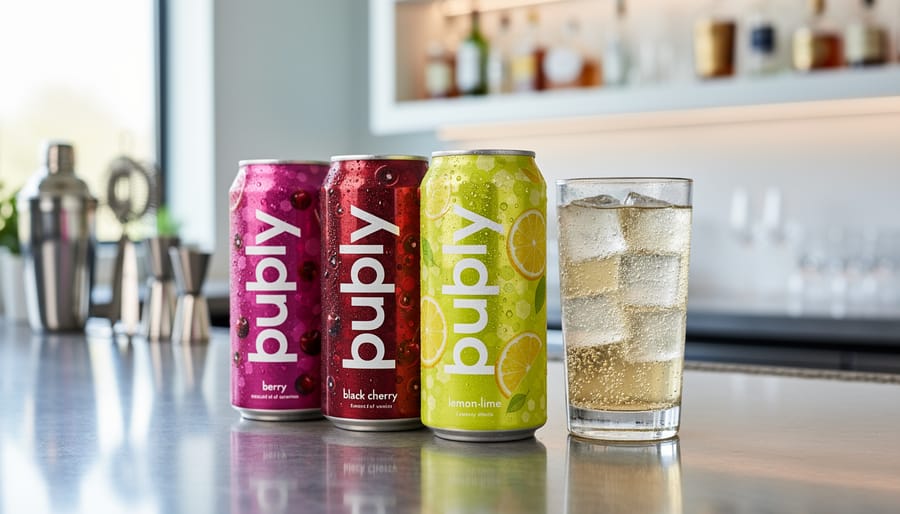
bubly POP landed in Canada this April, and it’s already shaking up the cocktail mixer scene with something we’ve been missing: a sparkling soda that actually tastes like fruit without drowning your palate in sugar. Available exclusively north of the border in berry, black cherry, and lemon lime, this newest addition to PepsiCo Canada’s bubly family bridges the gap between flat mixers and overly sweet sodas, giving bartenders and home cocktail enthusiasts a cleaner canvas for building balanced drinks.
I first spotted the sleek 355 mL cans at my local retailer in early summer, and what caught my attention wasn’t just the playful branding bubly is known for. It was the realization that we finally have a mainstream sparkling mixer with enough flavor to stand up in cocktails but enough restraint to let spirits shine through. That balance is surprisingly hard to find on standard grocery shelves.
The timing couldn’t be better. As more people experiment with building bars at home and seek alternatives to traditional sugary mixers, bubly POP offers an accessible entry point. You can grab a 6-pack at major retailers across Canada without hunting down specialty stores or paying craft soda premiums. For those of us who love the ritual of mixing drinks but want to avoid the sugar crash that comes with conventional sodas, this feels like a practical solution that doesn’t sacrifice flavor.
What makes bubly POP particularly interesting for cocktail applications is its versatility across different spirits and techniques.
What Makes Bubly POP Different from Regular Bubly
If you’ve been reaching for regular bubly sparkling water in your cocktails, prepare for a completely different experience with bubly POP. The two products might share a name and brand family, but that’s where the similarities end.
Regular bubly is unsweetened sparkling water, essentially the club soda vs sparkling water debate with fruity essence added. It delivers subtle flavor hints without sugar or calories. Bubly POP, by contrast, is an actual soda. It contains real sugar, bringing genuine sweetness and body to the mix. When PepsiCo Canada launched this line in April 2026, they weren’t just adding bubbles to their sparkling water, they created something fundamentally different.
| Characteristic | Bubly Sparkling Water | Bubly POP |
|---|---|---|
| Sweetness | Unsweetened (0 calories) | Sweetened with real sugar |
| Flavor Intensity | Subtle essence | Bold, pronounced |
| Carbonation | Light to medium | Robust, persistent |
| Best Cocktail Use | Lengthening without sweetness | Adding sweetness and effervescence |
The carbonation differs noticeably too. While regular bubly offers pleasant effervescence, bubly POP delivers more aggressive bubbles that hold up better when mixed with spirits and ice. This matters when you’re building a cocktail that needs to maintain its fizz through conversation.
For mixologists, this distinction changes everything. Regular bubly works when you want carbonation without altering sweetness, think gin and tonics where you control the sugar separately. Bubly POP replaces traditional sodas in recipes, bringing sweetness and bubbles in one ingredient. The Bubly flavor differences between the two lines mean you’re essentially choosing between a neutral lengthener and an active flavor contributor. When a recipe calls for simple syrup plus soda water, bubly POP can often replace both, simplifying your mise en place without sacrificing complexity.
The Three Flavors and Their Cocktail Potential
Berry: Your New Vodka Best Friend
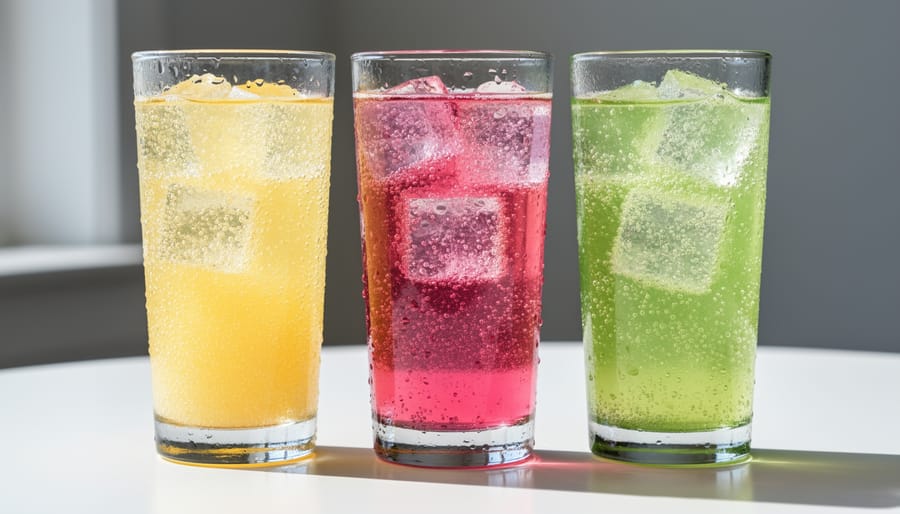
Berry bubly POP hits you with a bright, jammy flavor that’s more sophisticated than your typical berry soda. It tastes like a blend of raspberry and mixed berries without veering into candy territory, which makes it surprisingly versatile behind the bar.
I’ve found vodka to be the natural partner here. The clean canvas of a quality vodka lets the berry notes shine while adding structure to what could otherwise be too sweet. A simple vodka-berry bubly POP with fresh lime and mint becomes something special, especially during summer months when you want refreshment without the cloying aftertaste of heavier sodas.
White rum works beautifully too, particularly if you add muddled strawberries or a splash of elderflower liqueur. The rum’s subtle sweetness complements rather than competes with the berry profile, creating a drink that feels tropical without requiring a blender or a dozen ingredients.
For complementary flavors, think citrus (lime juice brightens everything), herbs (basil and thyme both work), and light fruit liqueurs. Save the heavy bitters and barrel-aged spirits for the other flavors. This one wants to stay light, bright, and refreshing.
Black Cherry: The Bourbon Mixer You’ve Been Missing
The first time I mixed black cherry bubly POP with a good bourbon, I understood what PepsiCo was thinking when they developed this flavor. Unlike lighter fruit sodas that fight with whiskey’s complexity, black cherry has enough depth to stand alongside those caramel and oak notes without getting lost.
The key difference is in the fruit’s natural tannins. Black cherry brings a subtle astringency that actually complements bourbon’s finish rather than coating over it with straight sweetness. When you’re building a highball, use a 3:1 ratio to start, three parts bubly POP to one part bourbon. This gives you enough mixer to create refreshment while keeping the spirit’s character front and center.
Where most bartenders go wrong is treating this like regular cherry soda. The bubly POP version is significantly less sweet, which means you can pour more generously without turning your drink into dessert. I’ve found it particularly excellent with wheated bourbons, where the softer grain profile harmonizes beautifully with the cherry’s natural fruit-forward qualities.
For rye whiskey drinkers, the black cherry also shines. The spice notes in rye play off the fruit’s darker undertones, creating something more complex than you’d expect from such a simple two-ingredient serve.
Lemon Lime: Classic Refreshment, Elevated
I’ll confess: when I first cracked open the lemon lime, I expected just another Sprite wannabe. What I got instead was something far more interesting for cocktail work. The citrus here is brighter and cleaner than traditional lemon-lime sodas, without that syrupy finish that can turn a good drink muddy.
This is where bubly POP really shines with tequila. The crisp citrus amplifies blanco tequila’s natural agave brightness without competing with it. I’ve been using it in riffs on the Paloma, cutting the grapefruit juice slightly and topping with lemon lime instead of traditional grapefruit soda. The result is lighter, more refreshing, and honestly easier to balance.
Gin also takes beautifully to this mixer, especially London Dry styles. The lemon lime adds effervescence and a citrus boost without the cloying sweetness that can mask botanical complexity. Think Tom Collins territory, but with less fuss and more consistency than homemade lemon-lime syrup and soda water.
For vodka sodas that actually taste like something worth drinking, this flavor works remarkably well. Add fresh mint and a squeeze of lime, and you’ve got a sophisticated afternoon sipper that’s worlds away from college-bar territory.
Five Bubly POP Cocktails Worth Mixing Tonight
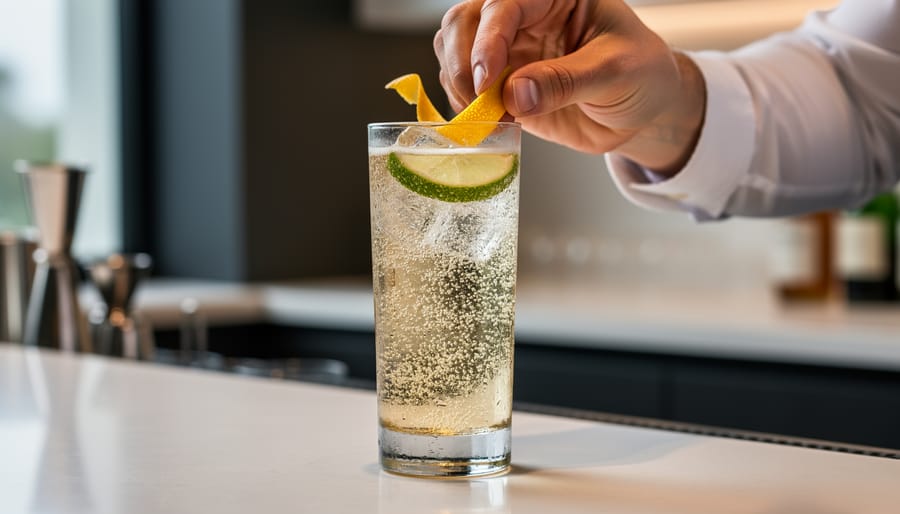
I spent the first week after bubly POP’s launch basically turning my home bar into a test kitchen. After dozens of experiments (and a few questionable combinations I won’t share), these five recipes consistently impressed both me and my taste-testing friends. They’re designed to highlight what bubly POP does best while being realistic for a Tuesday evening.
Berry Bramble Spritz
This one evolved from my attempts to lighten up classic berry cocktails without losing depth. In a rocks glass with ice, combine 1.5 oz vodka, 0.5 oz fresh lemon juice, and 0.25 oz simple syrup. Top with berry bubly POP and gently stir. Garnish with fresh raspberries and a lemon wheel. The berry flavor here amplifies rather than masks the vodka, creating something that tastes intentional rather than like a vodka-soda afterthought.
Black Cherry Old Fashioned Highball
I know purists might cringe, but hear me out. Muddle an orange slice and a cherry in a highball glass. Add 2 oz bourbon, 0.25 oz maple syrup, and two dashes of Angostura bitters over ice. Top with black cherry bubly POP and stir briefly. It delivers the warmth of an Old Fashioned with the refreshment of a highball, perfect for when you want something substantial but not heavy.
Lemon Lime Paloma Twist
This reimagines the classic Paloma structure. Salt half the rim of a highball glass. Add 2 oz reposado tequila, 0.75 oz fresh grapefruit juice, and 0.5 oz lime juice over ice. Top with lemon lime bubly POP and garnish with a grapefruit wedge. The lemon lime adds brightness without the cloying sweetness that sometimes plagues Palomas made with commercial lemon-lime soda.
Cherry Whiskey Sour Float
In a shaker with ice, combine 2 oz rye whiskey, 0.75 oz lemon juice, and 0.5 oz simple syrup. Shake hard and strain into a rocks glass over fresh ice. Slowly top with black cherry bubly POP, the carbonation creates a layered effect that looks impressive. The cherry reinforces the whiskey’s fruit notes while the fizz keeps everything lively.
Berry Rum Cooler
This became my go-to when friends drop by unexpectedly. In a Collins glass with ice, pour 1.5 oz white rum, 0.5 oz lime juice, and 4-5 mint leaves (gently pressed, not destroyed). Top with berry bubly POP and give it one slow stir. It sits somewhere between a captain and ginger and a mojito, familiar enough to be immediately appealing, different enough to spark conversation.
These aren’t revolutionary templates that’ll change how you think about cocktails, if you want that complexity, try a Negroni. What they do offer is reliable, crowd-pleasing refreshment that showcases why bubly POP works as a mixer. Each recipe intentionally uses the soda as a flavor component rather than just fizzy filler, which is the whole point of choosing it over generic alternatives.
The Practical Details: Where to Find It and What to Expect
Since bubly POP rolled out across Canada in April 2026, I’ve found it surprisingly easy to track down. The product appears at most major grocery chains and convenience stores where you’d normally find bubly sparkling water, though if you’re wondering specifically where to buy bubly products in your area, the same retailers typically stock both lines.
You’ll find bubly POP in two formats: single 355 mL sleek cans (perfect for testing flavors before committing) and 6-packs for regular use. The slim can design fits nicely in home bar setups without hogging fridge space, which matters when you’re already storing spirits, vermouth, and fresh ingredients.
From a value perspective, bubly POP sits in an interesting middle ground. It costs more than generic sodas but less than premium tonic waters or specialty mixers. For home bartenders, this pricing makes sense because you’re getting consistent carbonation and clean flavor without the markup of craft mixers. A 6-pack gives you enough for several cocktail experiments without the waste of buying full-sized bottles of multiple specialty sodas.
The real advantage? No hunting down niche products at specialty stores. Grab a 6-pack during your regular grocery run, and you’ve got a versatile mixer ready when inspiration strikes.
Why This Matters for Home Bartenders
For years, home bartenders have faced an annoying choice: unsweetened sparkling water that needs syrup additions, or commercial sodas so aggressively sweet they dominate every cocktail. Bubly POP lands squarely in the middle, offering just enough sweetness to enhance spirits without forcing you to recalibrate recipes or water down drinks with extra citrus to compensate.
The consistency factor matters more than you might think. When I’m testing a new cocktail, I need to know that the mixer will taste the same from can to can, batch to batch. With bubly POP, the carbonation level stays reliably crisp, and the flavors don’t vary wildly like some craft sodas can. That predictability means when you nail a recipe on Tuesday, it works exactly the same way on Saturday night when friends arrive.
The 355 mL cans prove surprisingly practical too. They’re the perfect single-serve size for one or two cocktails, which means you’re not dealing with flat soda leftovers or wasting half a two-liter bottle. For home bartenders who mix drinks a few times a week rather than running a professional bar, this packaging actually makes more sense than buying in bulk.
Here’s what gets me excited about bubly POP’s arrival in Canada: it represents exactly the kind of innovation our cocktail community needs. Too often, we’re stuck choosing between unsweetened sparkling water that lacks presence and syrups so sweet they bulldoze every other flavor in the glass. This product lands right in that sweet spot, giving home bartenders a ready-made mixer that actually tastes like something without dominating the spirits we’ve carefully selected.
I spent last weekend experimenting with all three flavors, and honestly? I’ve barely scratched the surface of what’s possible here. The berry worked beautifully in a riff on a French 75. The black cherry elevated an old fashioned variation I’d been tinkering with for months. Even the lemon lime surprised me in a mezcal drink I thought I’d already perfected.
Now it’s your turn. Grab a six-pack of whichever flavor speaks to you and start playing. Try the obvious pairings first, then get weird with it. Mix it with that bottle you’ve been hesitant to open. Use it in place of tonic, ginger beer, or club soda in your favorite recipes. Take notes on what works and what doesn’t.
And when you create something worth sharing, I want to hear about it. Drop your discoveries in the comments or tag your creations on social media. The best innovations in cocktail culture have always come from bartenders willing to experiment with new ingredients and share their findings. Let’s see where bubly POP takes us.