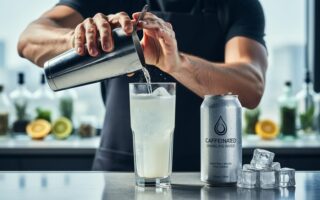
Yes, kombucha contains caffeine, but typically in modest amounts that range lower than your morning cup of coffee or even most teas. The caffeine comes directly from the tea base used during fermentation. Black tea kombucha carries the most (usually somewhere in the ballpark of what you’d find in green tea), while green tea and white tea varieties deliver progressively less. Most commercial bottles clock in at roughly one-quarter to one-third the caffeine of an equivalent serving of coffee, though the exact amount depends on brewing time, tea type, and how long the kombucha fermented.
For cocktail enthusiasts mixing kombucha into creative serves, this matters more than you might think. I learned this the hard way after crafting a beautiful evening kombucha cocktail for friends, only to watch one guest toss and turn through the night. She’s sensitive to caffeine, and I’d forgotten that my ginger-black tea kombucha packed enough punch to keep her wired past midnight. The fizzy, tangy profile makes kombucha a fantastic mixer for both boozy and alcohol-free drinks, but understanding its caffeine content helps you match the right bottle to the right moment. A brunch spritz with kombucha? Perfect. A nightcap featuring the same ingredient? Maybe reconsider, or reach for a lighter tea base.
Where the Caffeine in Kombucha Comes From

The caffeine in kombucha isn’t added, it’s there from the start, locked into the tea leaves that form the beverage’s foundation. Whether brewers use black tea, green tea, white tea, or oolong, those leaves naturally contain caffeine, and that’s where your finished kombucha gets its subtle buzz.
Here’s how it works. Kombucha begins as sweetened tea, typically brewed strong to give the fermentation culture plenty of fuel. The SCOBY, that pancake-shaped symbiotic culture of bacteria and yeast, feeds on the sugar, transforming the sweet tea into tangy, effervescent kombucha over one to three weeks. During this process, the SCOBY consumes most of the sugar and produces organic acids, probiotics, and those characteristic bubbles. But here’s the catch: it doesn’t eliminate the caffeine.
The caffeine molecules remain relatively stable throughout fermentation. While some studies suggest a slight reduction, perhaps 10 to 25 percent, the majority of the original caffeine sticks around. Think of it this way: if you brew a strong batch of black tea as your base, that caffeine doesn’t vanish when the SCOBY goes to work. It stays dissolved in the liquid, making kombucha a genuinely caffeinated drink rather than a caffeine-free alternative.
This matters when you’re building cocktails. A kombucha-based spritz at brunch might energize your guests in a good way, while the same drink at 10 p.m. could keep them wired longer than intended. Understanding that the tea base determines the caffeine gives you control over what you’re serving.
How Much Caffeine Can You Expect?

Most commercial kombuchas contain somewhere between a quarter to a half the caffeine you’d find in a typical cup of coffee. The actual amount depends on which type of tea was used during fermentation and how long the tea steeped before the SCOBY got to work. Black tea varieties generally pack more caffeine than their green tea counterparts, while white tea-based kombuchas sit at the lower end of the spectrum.
To put this in perspective for your home bar, think of kombucha as sitting between decaf coffee and a standard cup of tea. It’s not going to wire your guests the way an espresso martini would, but it’s not completely negligible either. Regular brewed tea contains roughly similar or slightly higher amounts than kombucha since fermentation does reduce some of the original caffeine content. Energy drinks, on the other hand, blow kombucha out of the water, they’re formulated specifically to deliver a jolt, often containing several times more caffeine per serving.
This matters when you’re building kombucha-based cocktails. If you’re crafting drinks for a late dinner party or evening gathering, you’ll want to keep this comparison in mind. A kombucha mule at 10 PM affects guests differently than a standard Moscow mule would. The same consideration applies when you’re alternating between coffee cocktails during brunch and kombucha drinks later in the day.
Since brands don’t always list caffeine content on their labels, your best bet is checking their websites or reaching out directly if you’re serving guests who need to monitor their intake carefully. Some makers specifically market low-caffeine versions, which can be worth seeking out if you’re planning an all-evening cocktail menu.
What This Means for Your Kombucha Cocktails

Now that you understand kombucha’s caffeine content, let’s talk about what this actually means when you’re mixing drinks.
Timing is everything. A kombucha cocktail at a weekend brunch? Perfect. The caffeine pairs beautifully with morning energy and won’t feel out of place alongside coffee and mimosas. But I learned this lesson the hard way at a dinner party two years ago when I served kombucha-based cocktails at 10 PM. Three guests mentioned they couldn’t sleep later that night, and one friend, who’s particularly caffeine-sensitive, was still wired at 2 AM. That evening taught me to think about my drink menu the same way I plan food courses: what makes sense at this hour?
For daytime gatherings, kombucha cocktails shine. The caffeine boost actually enhances the social vibe without overpowering anyone. But for evening events after 7 PM, I now either skip the kombucha entirely or make sure I have a non-alcoholic cocktail alternative that’s genuinely caffeine-free for guests who prefer it.
Communication matters more than you might think. When I’m hosting, I’ve gotten into the habit of mentioning which drinks contain kombucha, especially if guests arrive later and miss the initial introductions. A simple “Just so you know, this one has kombucha, so there’s a bit of caffeine” goes a long way. Some people actively avoid caffeine after certain hours, have medical reasons to limit it, or are pregnant and monitoring their intake carefully.
Consider your guest list, too. If you’re mixing drinks for a crowd that includes anyone who’s mentioned caffeine sensitivity, anxiety issues, or sleep concerns, having options matters. I keep both kombucha and caffeine-free mixers like fresh juices, tonic water, or herbal shrubs on hand so everyone feels included without explanation required.
The goal is simple: create drinks people will enjoy without unexpected consequences keeping them up past their bedtime.
Choosing the Right Kombucha for Your Drinks
Picking kombucha for cocktails is about more than just grabbing a bottle off the shelf. You’re looking for three things: flavor compatibility, carbonation level, and, yes, caffeine awareness.
Start by tasting plain. Before mixing, pour a small glass and evaluate the kombucha on its own. Notice the dominant flavors (fruity, floral, earthy, tangy), the funk level (some brands lean pungent, others mild), and the sweetness-to-acidity balance. This baseline tells you how it’ll play with spirits and other ingredients. A ginger-forward kombucha might overwhelm delicate gin botanicals, while a subtle green tea base could get lost in a rum punch.
Check the tea base listed on the label. Black tea kombucha carries the most caffeine and a robust, malty backbone that pairs well with dark spirits and bold mixers. Green tea versions offer lighter, grassier notes with moderate caffeine, great for vodka or white rum drinks. If you’re serving a late-night crowd, look for white tea or herbal-blend kombuchas, which typically contain less caffeine while still delivering flavor and fizz.
Carbonation matters too. Higher effervescence adds liveliness to simple highballs and spritzers, while flatter kombucha works better in stirred cocktails where you don’t want excessive fizz competing with texture. Give the bottle a gentle shake before buying; you should feel resistance and hear a slight hiss when opening.
Finally, consider flavor layering. Berry kombucha complements whiskey’s caramel notes. Citrus varieties brighten tequila and mezcal. Hibiscus or rose blends add floral complexity to gin without requiring fresh botanicals. Think about the cocktail’s total flavor profile rather than just matching fruit to fruit, sometimes contrast creates the most interesting drinks.
Common Questions About Kombucha and Caffeine
I get asked about kombucha and caffeine constantly, usually right after someone’s had their third “mocktail” at a late-night gathering and suddenly realizes they’re wide awake. Let’s clear up the most common confusion.
Does all kombucha contain caffeine?
Yes, nearly all traditional kombucha contains some caffeine because it’s brewed from caffeinated tea leaves. The only exceptions are kombuchas made from naturally caffeine-free bases like rooibos or herbal infusions, though these are less common.
Does fermentation reduce the caffeine content?
Fermentation doesn’t significantly reduce caffeine levels. The SCOBY consumes sugars during fermentation, but caffeine molecules remain largely intact throughout the process.
How can I find low-caffeine kombucha options?
Look for kombuchas brewed with white or green tea as their base, which naturally contain less caffeine than black tea varieties. Some brands also list caffeine content on their labels, making selection easier.
Is kombucha safe for caffeine-sensitive guests?
It depends on individual tolerance levels. While kombucha typically contains less caffeine than coffee, sensitive individuals may still notice effects, especially when consuming multiple servings in cocktails.
The labeling inconsistency across brands drives me crazy when I’m planning a cocktail menu. Some bottles clearly state their caffeine content, while others leave you guessing. If you can’t find the information on the label, contact the manufacturer directly, most are happy to share brewing details with bartenders and enthusiasts.
When in doubt, I keep a caffeine-free sparkling water option available for guests who want the fizzy, sophisticated vibe of a kombucha cocktail without any stimulant. It’s a simple backup that’s saved more than a few evening gatherings when someone realized they needed to wind down rather than rev up.
So yes, kombucha is caffeinated, the tea base guarantees it. But that’s not a dealbreaker for your home bar; it’s simply something to know and work with. I’ve learned to think about my cocktail menu the same way I consider wine selections: what fits the moment? A zingy kombucha spritz makes perfect sense for a weekend brunch gathering, while a late-evening dinner party might call for something without the buzz.
The beauty of kombucha lies in its versatility. Once you understand the caffeine factor, you can make smarter choices about when and how to pour it. Test different brands, experiment with flavor pairings, and most importantly, stay tuned in to what your guests need. Some folks love the gentle lift; others prefer to skip it after noon.
Now I want to hear from you. What’s your go-to kombucha cocktail? Have you discovered a flavor combination that surprised you, or maybe adapted a classic recipe with kombucha in an unexpected way? Share your creations and let’s keep this conversation going. After all, the best drinks come from bartenders who stay curious and keep experimenting.